

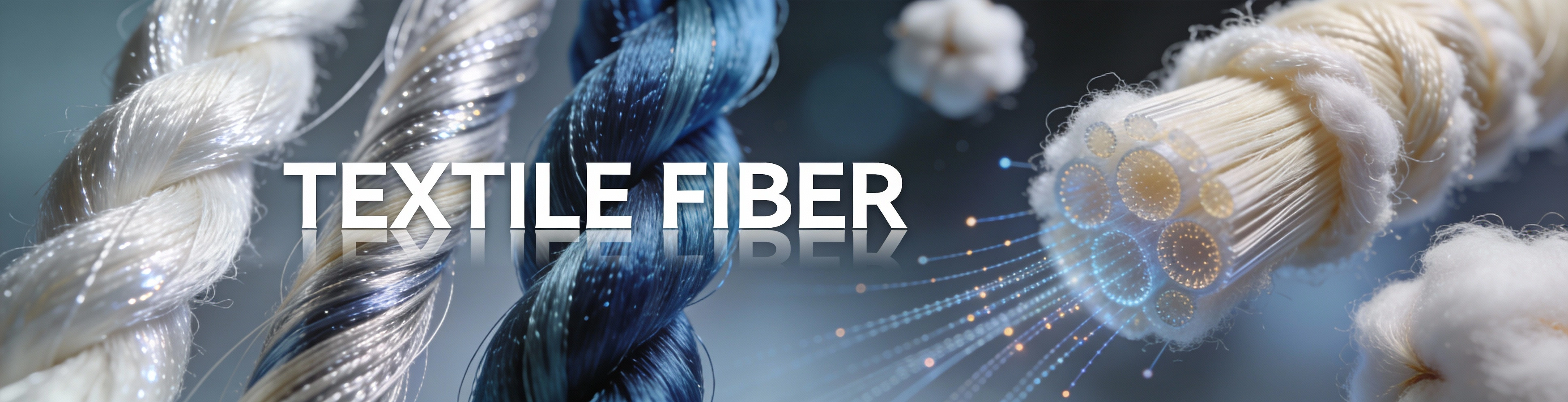
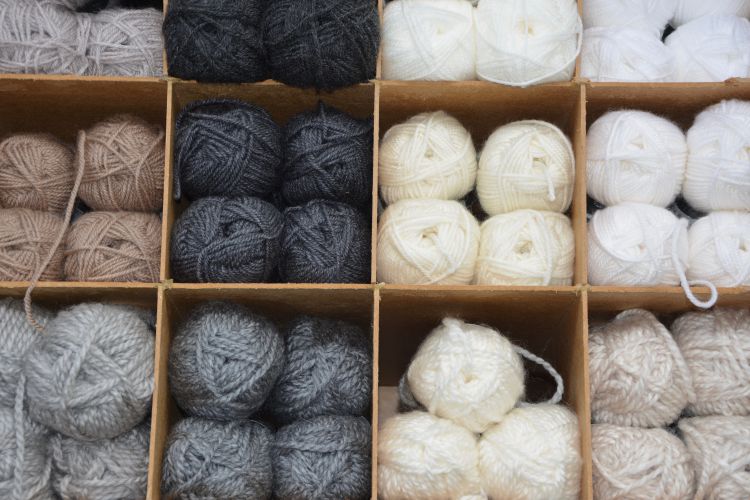
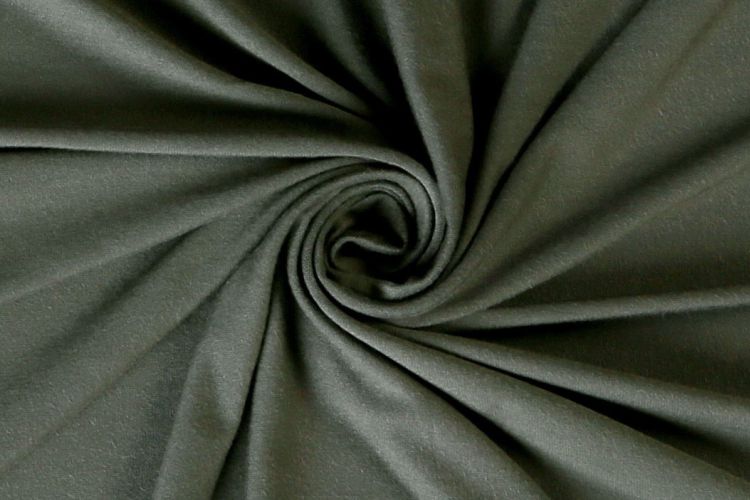

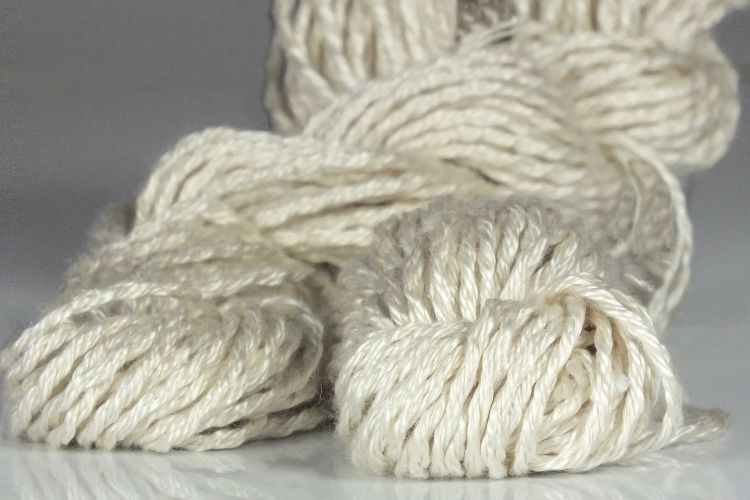
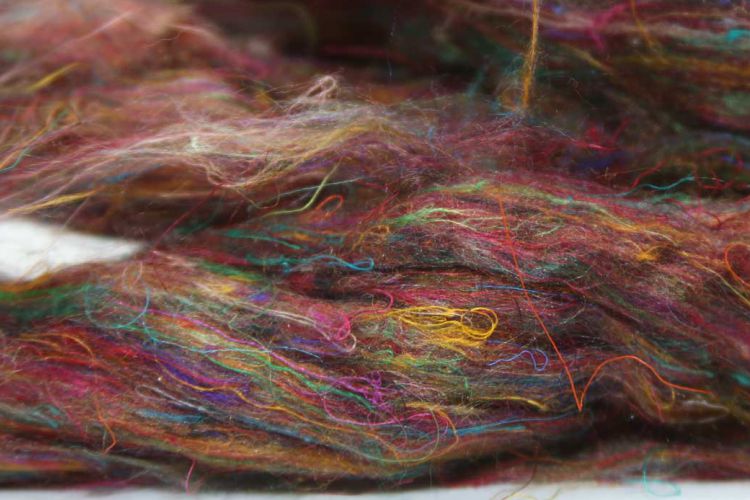
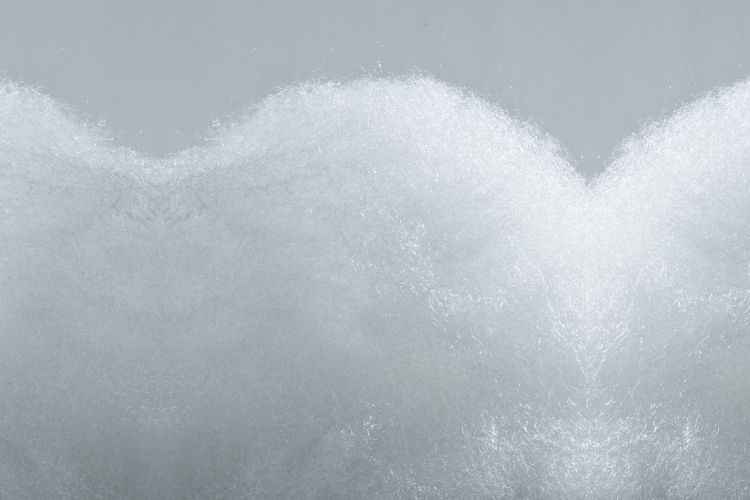
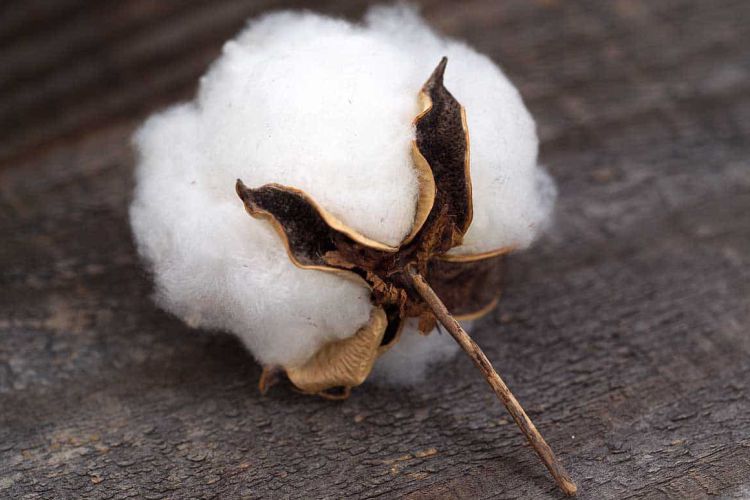
Textile is incomplete without fiber; this is a fundamental raw material used to make fabrics and textiles. Textile fibers are obtained from natural and synthetic substances that are treated, spun into yarn, and subsequently woven or knitted to create textile materials.
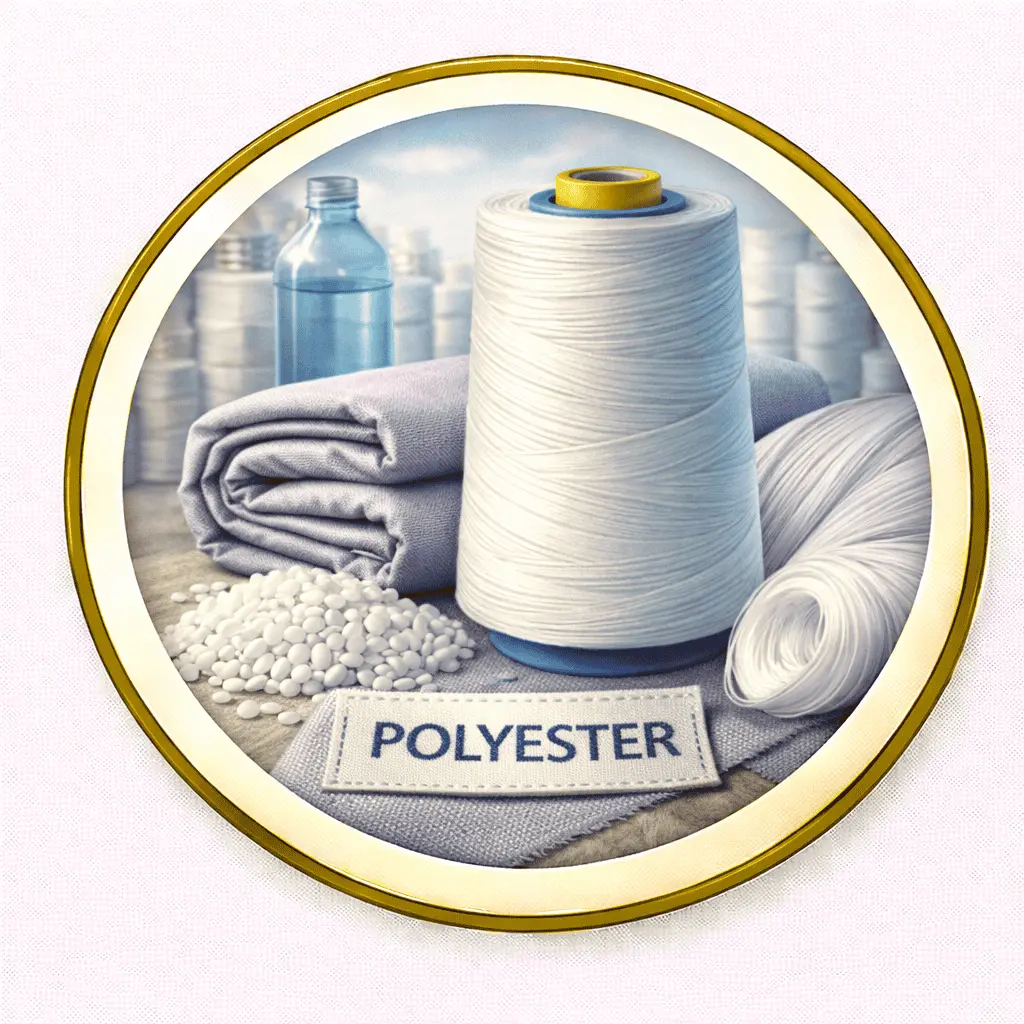
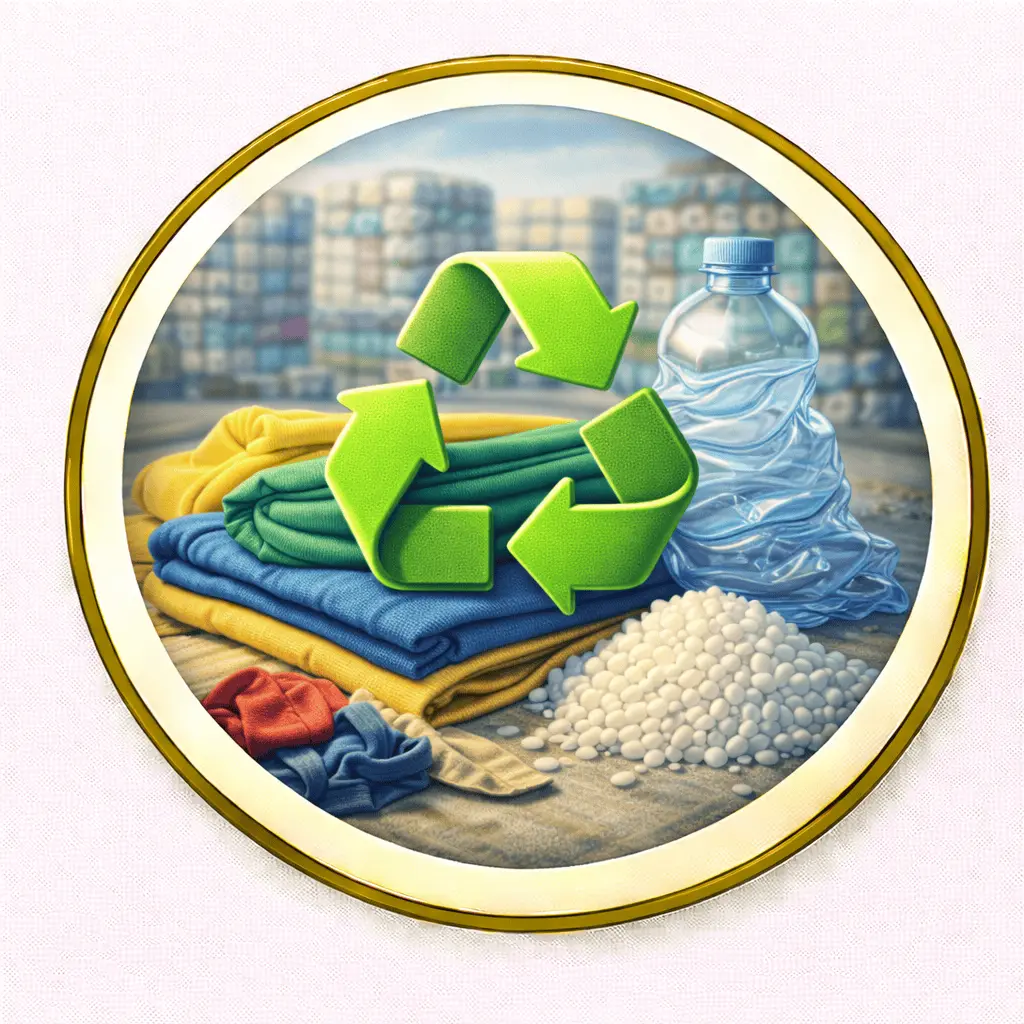
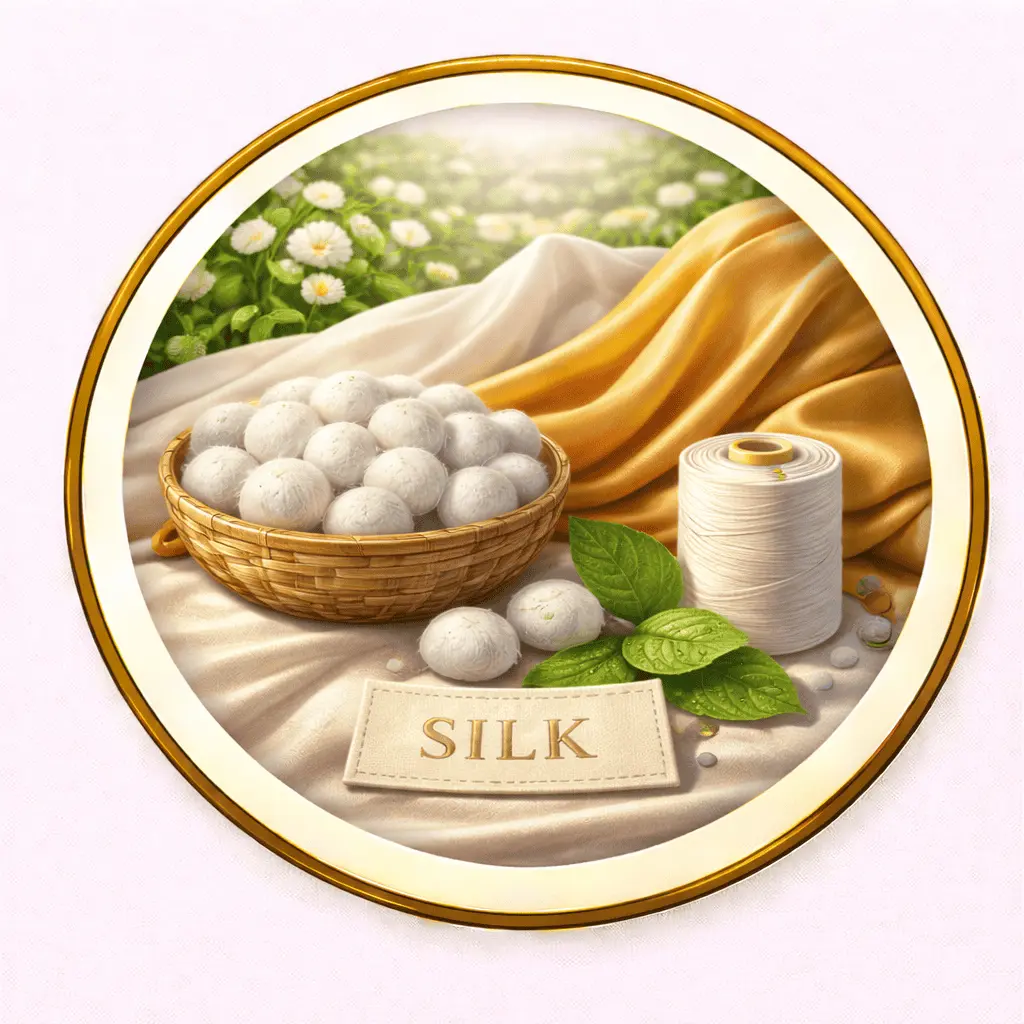
Fibers have many sources; the natural fibers come from plants (such as cotton and jute) and animals (such as wool and silk), whereas the man-made fibers are synthesized using chemical or regeneration techniques.
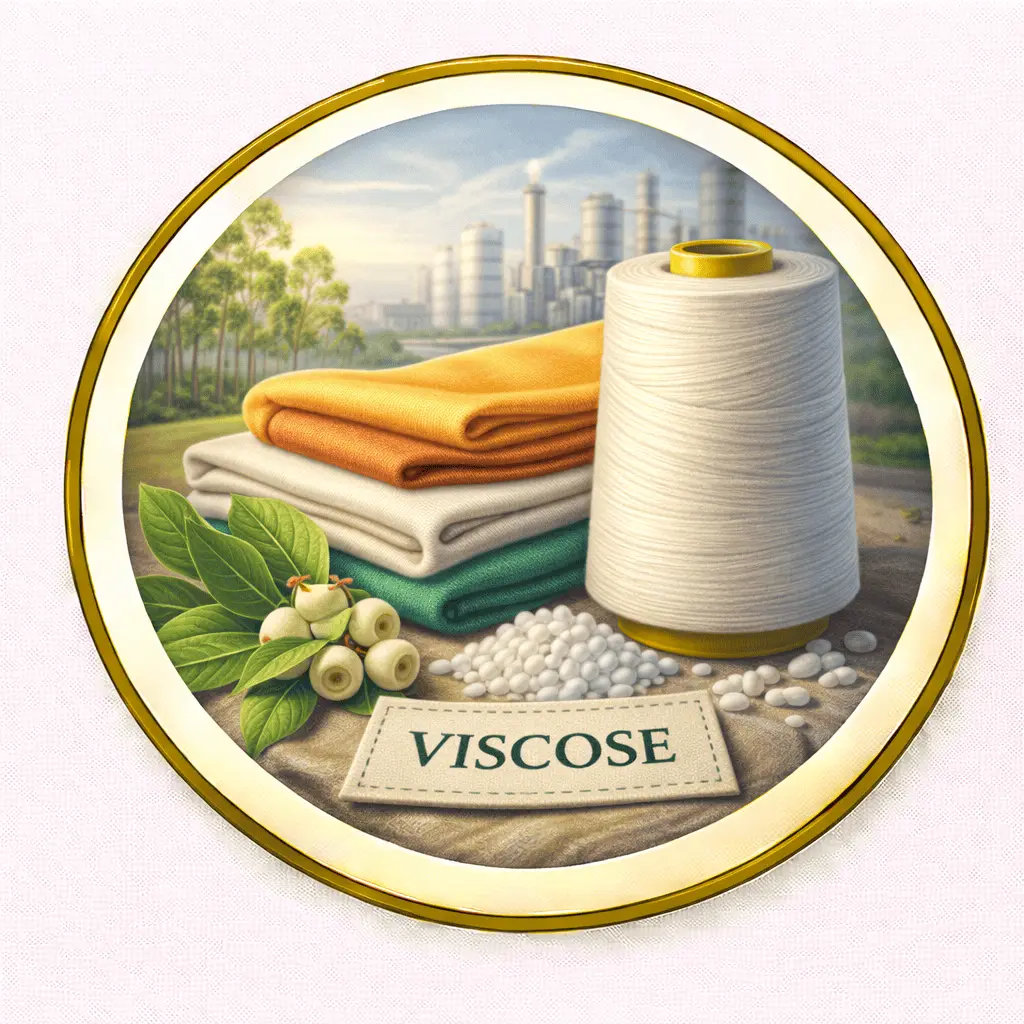
Textile fibers also have major uses in industry, starting from clothing and domestic use to industrial use, medical use, and specialty use. These textile materials could be chosen depending on factors like strength, elasticity, absorbency, and resistance. For example, rayon textilematerials that consist of regenerated cellulose; (acryl textile materials that originate from acrylic polymer; and spandex textile materials, which consist of spandex textile fibers that possess high elasticity.
On the basis of their type of origin, textile fibers are divided into natural fibers and man-made fibers, the latter subgroup being further classified into ’synthetic’ and ’regenerated’ fibers.



Let's discuss your needs and find the best solution together.


