

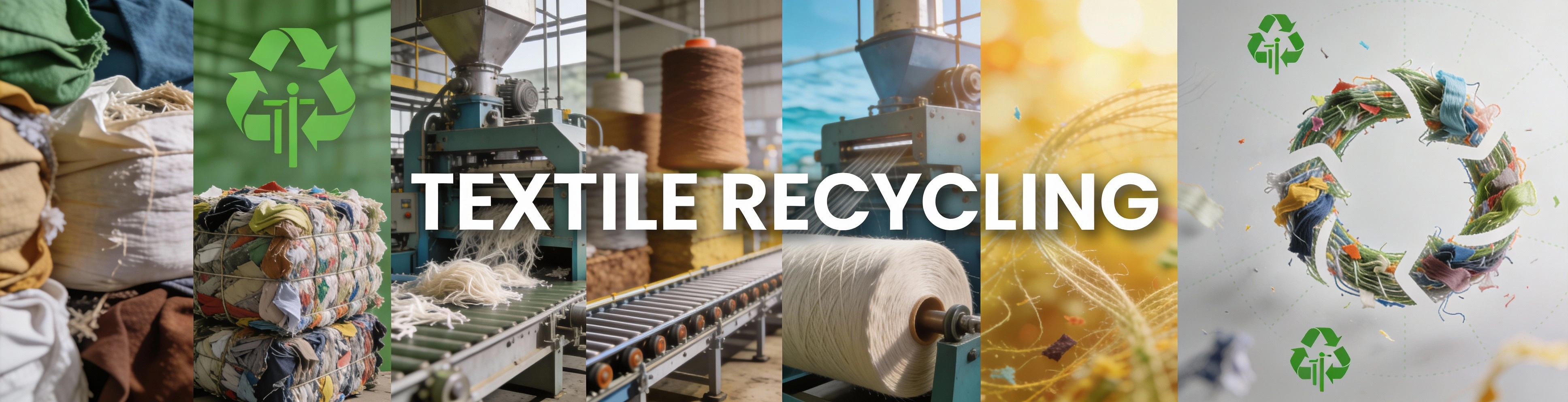
Textile recycling helps sustain the environment by cutting down on fiber waste. The process begins by recycling fabrics and clothing. Wastes are collected, sorted by fiber type, and reprocessed into reusable fibers and products. The most common source of textile recycling is post-consumer waste, mainly discarded clothing (old clothes disposal) and production scraps from factories.
Textile recycling helps filter and conserve the valuable resources of used clothing and garments, which helps alleviate the negative impact of textiles’ waste. Cleaning cloths, new clothing, insulation, and industrial fiber are all products of recycling fabrics and clothing. Instead of throwing clothes in a landfill, everyone can recycle used clothes through donation, selling, or repurposing.
Textile recycling can be classified as mechanical or chemical. In mechanical recycling, the fiber is processed physically, and in chemical recycling, some polymers are processed to create new other materials. Both processes are intended to promote circular fashion and extend the lifespan of fabrics.
Efficient textile recycling processes can be utilized by the industries and the consumers for a sustainable future, with lessened resource consumption, and enhanced and innovative eco-friendly materials and products, and a circular economy.


Let's discuss your needs and find the best solution together.


